
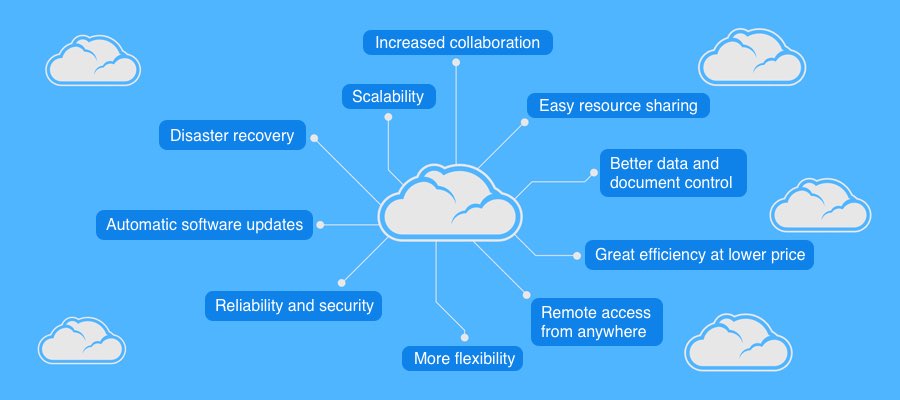
Cloud computing has revolutionized the way businesses operate, providing scalability, flexibility, and cost-effectiveness. However, managing cloud costs can be challenging, with unexpected expenses and complex pricing models. In this blog, we will discuss some tips on how to reduce your cloud expenses and optimize your cloud costs.
Use cost calculators: All major cloud providers offer cost calculators that allow businesses to estimate the cost of their cloud resources before deployment. These calculators help businesses choose the most cost-effective options and avoid overprovisioning.
Implement cost monitoring and alerts: Cloud providers offer cost monitoring and alerts, which notify businesses of unexpected expenses and potential cost-saving opportunities. By setting up alerts and monitoring tools, businesses can identify and address cost issues proactively.
Use auto-scaling: Auto-scaling allows businesses to automatically scale their resources up or down based on demand. By using auto-scaling, businesses can avoid overprovisioning and reduce costs during periods of low demand.
Use reserved instances: Reserved instances allow businesses to purchase cloud resources at a lower price by committing to a certain usage level for a specified period. Commitment-based pricing can offer meaningful savings for predictable workloads, but the right option depends on usage patterns and provider terms.
Use cloud-native services: Cloud-native services, such as serverless computing, can significantly reduce costs by eliminating the need for provisioning and managing infrastructure. By using cloud-native services, businesses can focus on their core operations and reduce their cloud expenses.
Use containerization: Containerization allows businesses to optimize their cloud resources by running multiple applications on a single server. By using containerization, businesses can reduce the number of servers they need, reducing their cloud expenses.
Use cloud cost optimization tools: Several cloud cost optimization tools, such as CloudHealth, CloudCheckr, and Azure Cost Management, can help businesses analyze their cloud expenses and identify cost-saving opportunities. By using these tools, businesses can optimize their cloud costs and save money.
Conclusion
Cloud cost optimization is critical for businesses to maximize the benefits of cloud computing while minimizing their expenses. By following the tips mentioned above, businesses can reduce their cloud expenses and optimize their cloud costs. Moreover, businesses should regularly review their cloud expenses and adjust their strategies to ensure they are getting the most value from their cloud investments.
Microsoft Learn references
Cost Management best practices
Originally published on Solution Savy. Need help with this? Book a consultation.
Explore the Azure Security Deep Dive series for related cloud security and recovery guidance.